
 ภาษาไทย
 English
 中文
中文
 Pусский

How To Buy Property In Thailand As A Foreigner [2026 Update]
Learn how to buy property in Thailand as a foreigner. Explore legal ownership options, costs, and beach villas in Phuket from Banyan Tree Residences.
Key Highlights
• Foreigners cannot own land directly in Thailand, but they can legally own buildings and condominium units.
• Freehold condominium ownership is the most straightforward option, subject to a 49% foreign quota per project.
• Long-term leasehold agreements (30 years), usufruct rights, and the right of superficies offer additional pathways for villas and houses.
• Nominee shareholder structures are illegal and actively enforced against.
• Standard transfer fees and taxes include a 2% transfer fee, 0.5% stamp duty, and a potential 3.3% Specific Business Tax.
• Phuket is one of Thailand's top destinations for foreign property investment due to strong rental demand and infrastructure growth.
• Banyan Group Residences offers a portfolio of private beach villas in Phuket structured with foreign buyers in mind, including Sanctuary Club membership and rental management through Banyan Living.
International buyers are flocking to Thailand’s real estate market, making it one of Southeast Asia’s most appealing, as evidenced by the data. Annually, numerous foreigners acquire properties, spanning from Bangkok’s freehold condos to opulent Phuket villas on the Andaman coast. What attracts them is a rare mix of affordability compared to Western markets, high rental returns supported by a tourism sector that hosted close to 33 million visitors in 2025, and a lifestyle unmatched by most other nations.
For buyers with their sights set on a private beach villa in Phuket, the opportunities are significant once you know the rules. This guide explains how to buy property in Thailand as a foreigner step by step, covering legal ownership structures, transaction costs, common pitfalls, and why Phuket remains the top destination for foreign property investment.
Can Foreigners Buy Property in Thailand?
So, can foreigners buy property in Thailand? The short answer is yes, but with important limitations. Under the Thai Land Code Act, foreigners cannot directly own land. However, foreigners can legally own buildings and structures. This distinction is the foundation of every legal pathway available to international buyers. The key is choosing the right ownership structure for the type of property you want.
Legal Ownership Options for Foreign Buyers
Freehold Condominium Ownership
This is the simplest and most secure route. Under the Thai Condominium Act (B.E. 2522), foreigners can own a condominium unit outright in their own name. The main requirements include:
• A maximum of 49% of a building's total sellable area can be foreign-owned, with 51% reserved for Thai nationals
• Purchase funds must be transferred from overseas in foreign currency, and the buyer must obtain a Foreign Exchange Transaction Form (FET) from the receiving bank
• Owners receive a government-issued title deed and have full rights to sell, transfer, lease, or pass the unit to heirs
Freehold condo ownership gives foreign buyers the same legal protections as Thai nationals for that unit.
Long-Term Leasehold (30 Years)
For villas, houses, and landed properties, a registered leasehold is the most common approach. A lease of up to 30 years can be registered at the Land Office, giving the lessee legal protection for that term. Renewal clauses for additional terms are often included in contracts, but these are contractual promises and are not automatically guaranteed by Thai law. Leasehold is popular for buyers seeking a private beach villa in Phuket or other landed properties.
Usufruct Rights
A usufruct grants the right to use and occupy a property for the holder's lifetime or up to 30 years. This arrangement is frequently used for spousal protection, where a foreign spouse holds a usufruct over property owned by a Thai national.
Right of Superficies
This legal right allows a foreigner to own a building or structure on leased land, effectively separating building ownership from land ownership. It can be registered for up to 30 years and is often paired with a leasehold agreement for added security.
What Foreign Buyers Should Avoid
Understanding how to buy property in Thailand as a foreigner also means knowing what not to do. There are three common traps:
• Nominee shareholder structures involve setting up a Thai company with Thai nationals holding shares on the foreigner's behalf. This is illegal under both the Land Code Act and the Foreign Business Act, and Thai authorities have increased enforcement in recent years.
• "90-year lease" claims are misleading. Only the initial 30-year lease term is legally enforceable. Additional renewal periods depend entirely on the willingness of the lessor and are not protected by law.
• Shell companies created solely to circumvent foreign land ownership restrictions are treated the same as nominee structures and carry serious legal risk.
Costs and Fees When Buying Property
Understanding the full cost of a transaction is essential for budgeting. The standard fees when transferring property ownership in Thailand include:
• Transfer fee: 2% of the government's appraised value
• Stamp duty: 0.5% (applies when the Specific Business Tax does not)
• Specific Business Tax (SBT): 3.3% of the appraised or sale price (whichever is higher), applicable if the seller has owned the property for less than five years
• Withholding tax: Varies depending on the seller's status and length of ownership
In practice, buyer and seller often negotiate how these costs are split. Some developers include transfer fees in the purchase price as part of promotional packages. Hiring a qualified lawyer experienced in Thai property law is strongly recommended for every transaction.
Why Phuket Is a Top Choice for Foreign Buyers
Can foreigners buy property in Thailand and find strong investment returns? Phuket consistently proves they can. The island attracts millions of tourists annually, driving demand for short-term and long-term rentals. Key factors that make Phuket appealing include:
• A well-established tourism market that supports year-round rental occupancy
• Ongoing infrastructure upgrades, including road improvements and expanded healthcare and education facilities
• A growing international community with world-class schools such as UWC Thailand and the British International School Phuket
• Proximity to Phuket International Airport, connecting the island to major cities across Asia
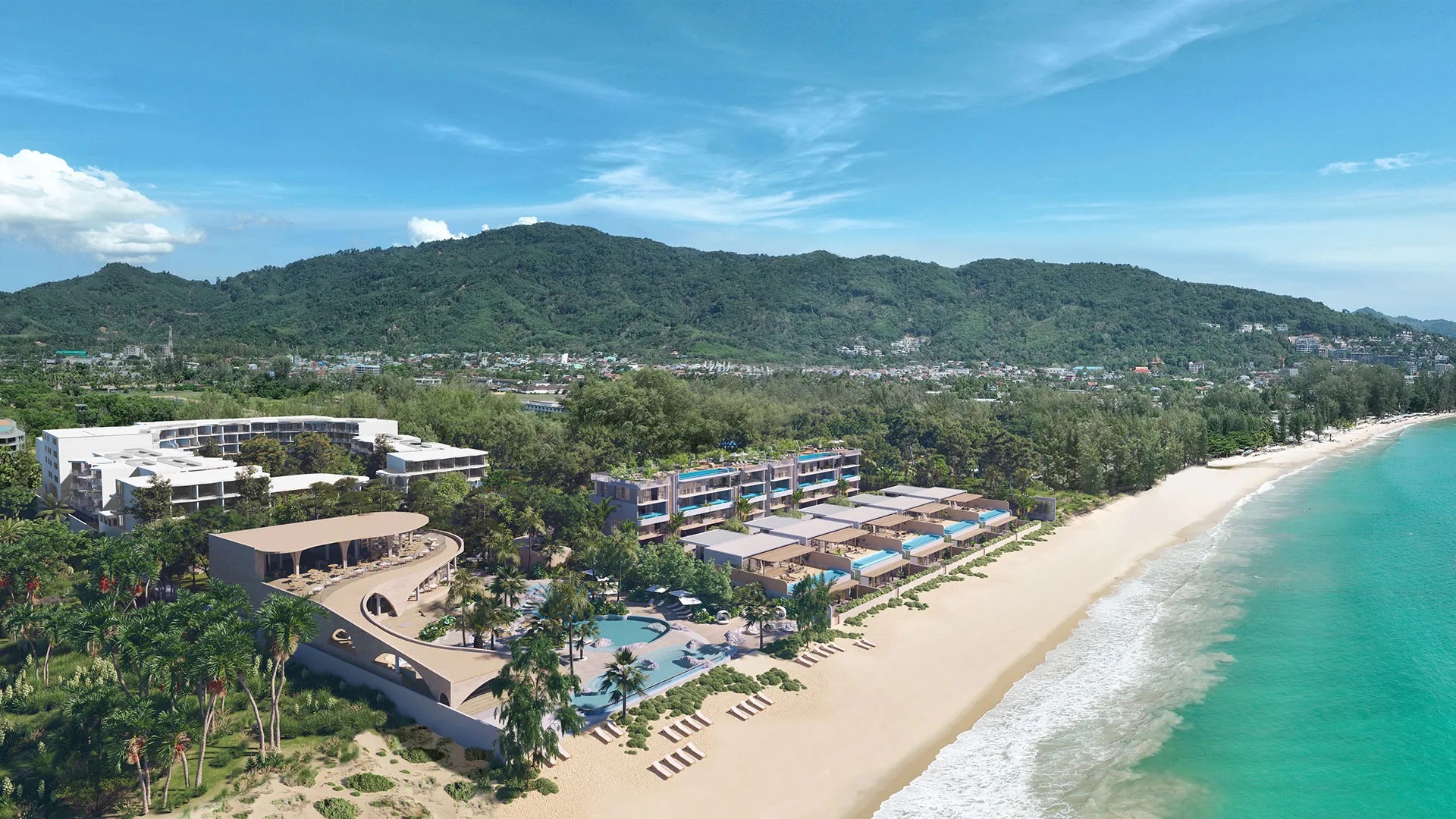
For buyers looking at premium beachfront properties, Phuket's west coast, particularly the Bang Tao Beach area, offers some of the most desirable real estate on the island.
How Banyan Group Simplifies Foreign Ownership
Banyan Group Residences is one of Thailand's most established developers for international buyers. Founded in 1984, the Banyan Group operates distinguished resorts, golf courses, spas, and residential developments across multiple countries. Their properties within Laguna Phuket, one of Asia's premier integrated resort communities, are specifically structured with foreign ownership pathways in mind.
Owners of Banyan Tree, Angsana, Cassia, or Laguna properties receive complimentary membership to the Sanctuary Club, a private recognition program. Sanctuary Club members enjoy 30% discounts on the best available rates at Banyan Group hotels worldwide, complimentary stays at their own units, access to a Global Holiday Exchange Programme (where owners can trade 15 entitlement days for stays at other Banyan Group destinations), and invitations to pre-opening and trial stays at new resorts. A centralized, multilingual owner services team manages all bookings and requests.
For owners interested in generating rental income, Banyan Living provides professional property management with global marketing reach, a central reservations platform, and strict quality and maintenance standards.
Banyan Tree Beach Residences in Phuket offer a range of options if you want to buy a private beach villa in Phuket, all located within the gated Laguna Phuket community on Bang Tao Beach:
• Banyan Tree Beach Residences Aegir: Ultra-luxury 4-bedroom oceanfront villas with 792 sqm of built-up area on 480 sqm plots, featuring private pools, jacuzzis, rooftop decks with 180-degree Andaman Sea views, theater rooms, and children's playrooms. Located just 100 meters from Bang Tao Beach.
• Banyan Tree Beach Residences Mazu: Exclusive 4-bedroom pool villas spanning 631 sqm, designed for absolute privacy with ocean views, designer finishes, and direct beach access. Only 5 units in the entire collection.
• Banyan Tree Beach Residences Sirena: Luxury 3-bedroom condominiums with private pools and sea views, housed in five low-rise buildings with just 8 units per building across 4 floors, offering an intimate residential setting.
• Banyan Tree Beach Residences Varuna: A choice of 3-bedroom triplex residences spanning three floors or expansive 4-bedroom penthouses, each with a private lift, rooftop terrace, and horizon-edge pool.
All residences benefit from 24-hour concierge services, access to Laguna Golf Phuket (an 18-hole championship course), signature Banyan Tree spas, multiple restaurants, and the broader Laguna Phuket shopping and dining village.
Steps to Buying Property in Thailand
For anyone learning how to buy property in Thailand as a foreigner, the process follows a clear sequence:
1. Research the market and identify which ownership structure suits your goals (freehold condo, leasehold villa, etc.)
2. Hire a qualified Thai property lawyer whose loyalty is solely to you as the buyer
3. Conduct due diligence, including title deed verification (Chanote check), foreign quota confirmation for condos, and permit verification
4. Transfer funds from overseas in foreign currency through proper banking channels and obtain the required FET form
5. Sign the Sale and Purchase Agreement with legal counsel present
6. Register the transfer at the local Land Office to formalize ownership
Invest With Confidence in Phuket
Foreigners can and do own property in Thailand successfully every year. The legal pathways are well-established, and with the right legal guidance and an experienced developer, the process is straightforward. Working with a trusted name like Banyan Group Residences provides both legal clarity and access to some of Phuket's most exclusive beachfront addresses.
To explore Banyan Tree Beach Residences and available properties, visit banyangroupresidences.com or contact their sales team directly.
Disclaimer: This article is for informational purposes only and does not constitute legal or financial advice. Thai property laws are subject to change. Always consult a qualified lawyer and conduct independent due diligence before making any property purchase in Thailand.